Overview
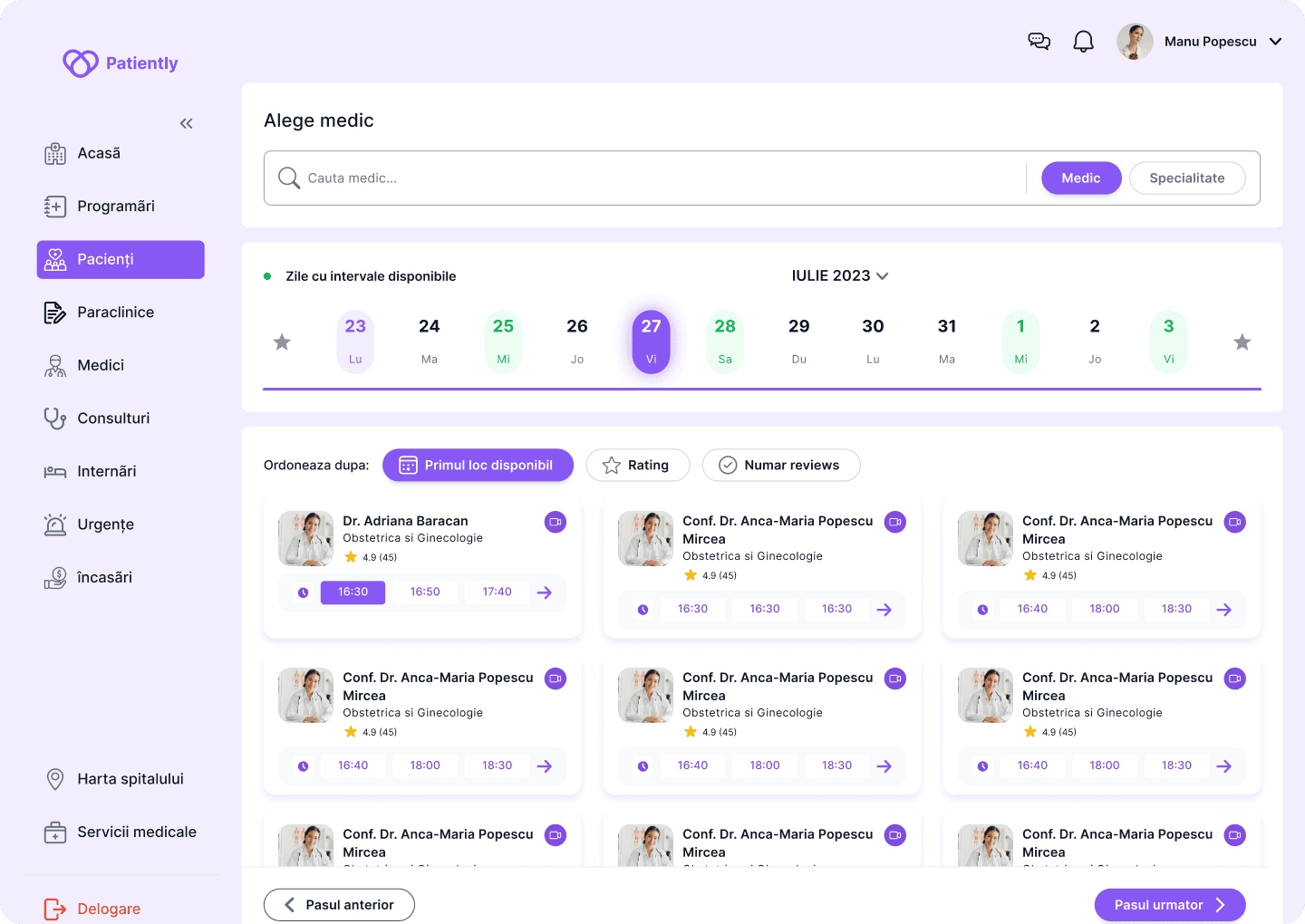
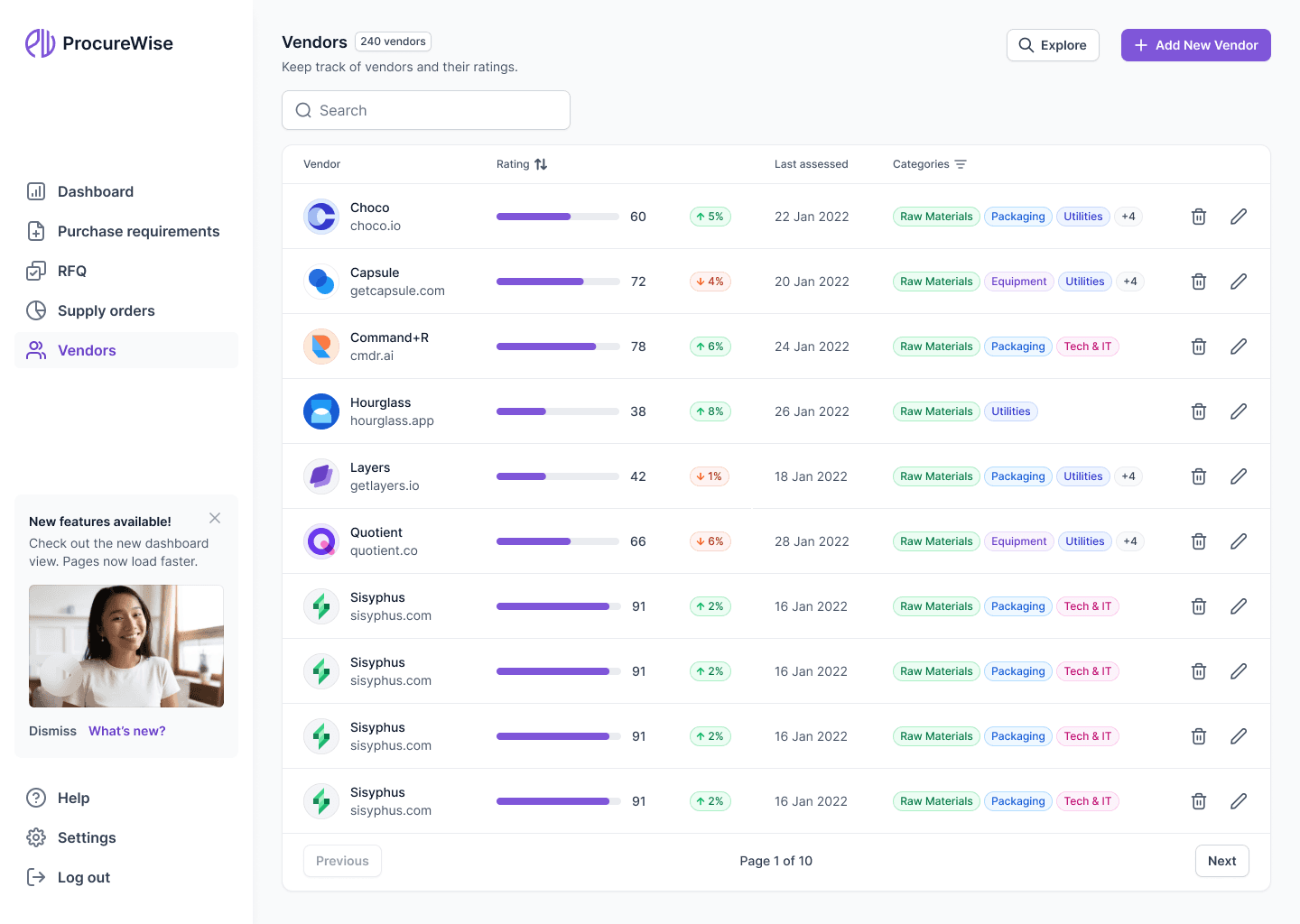
This project aimed to evaluate whether developing an eProcurement platform would be a viable investment for the company. The proposed solution would complement the existing ERP system, offering additional tools for automating and streamlining procurement processes. All prototypes and research were conducted to determine if such a solution could bring significant benefits and justify the investment.
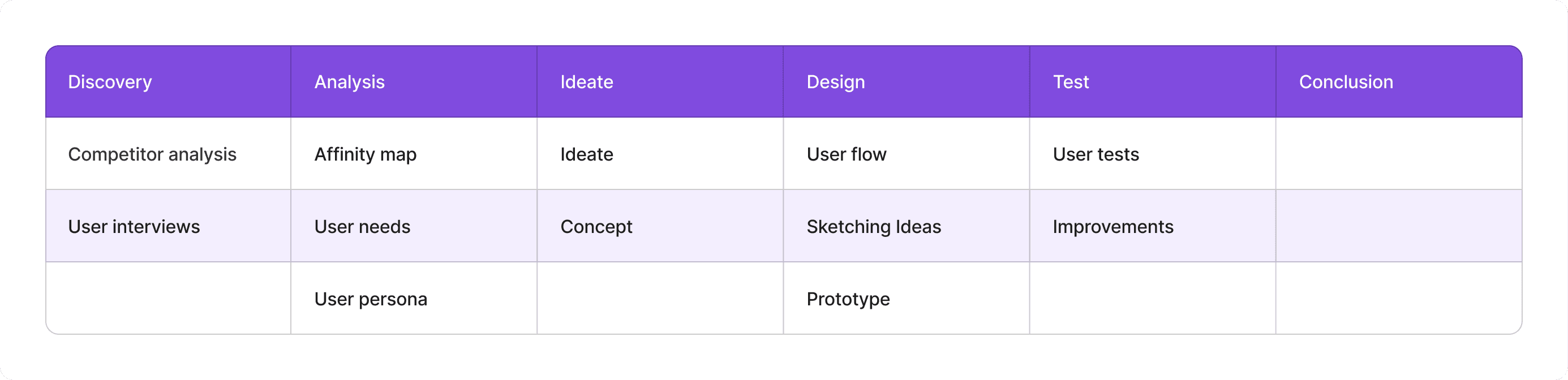
The process
Competitor analysis
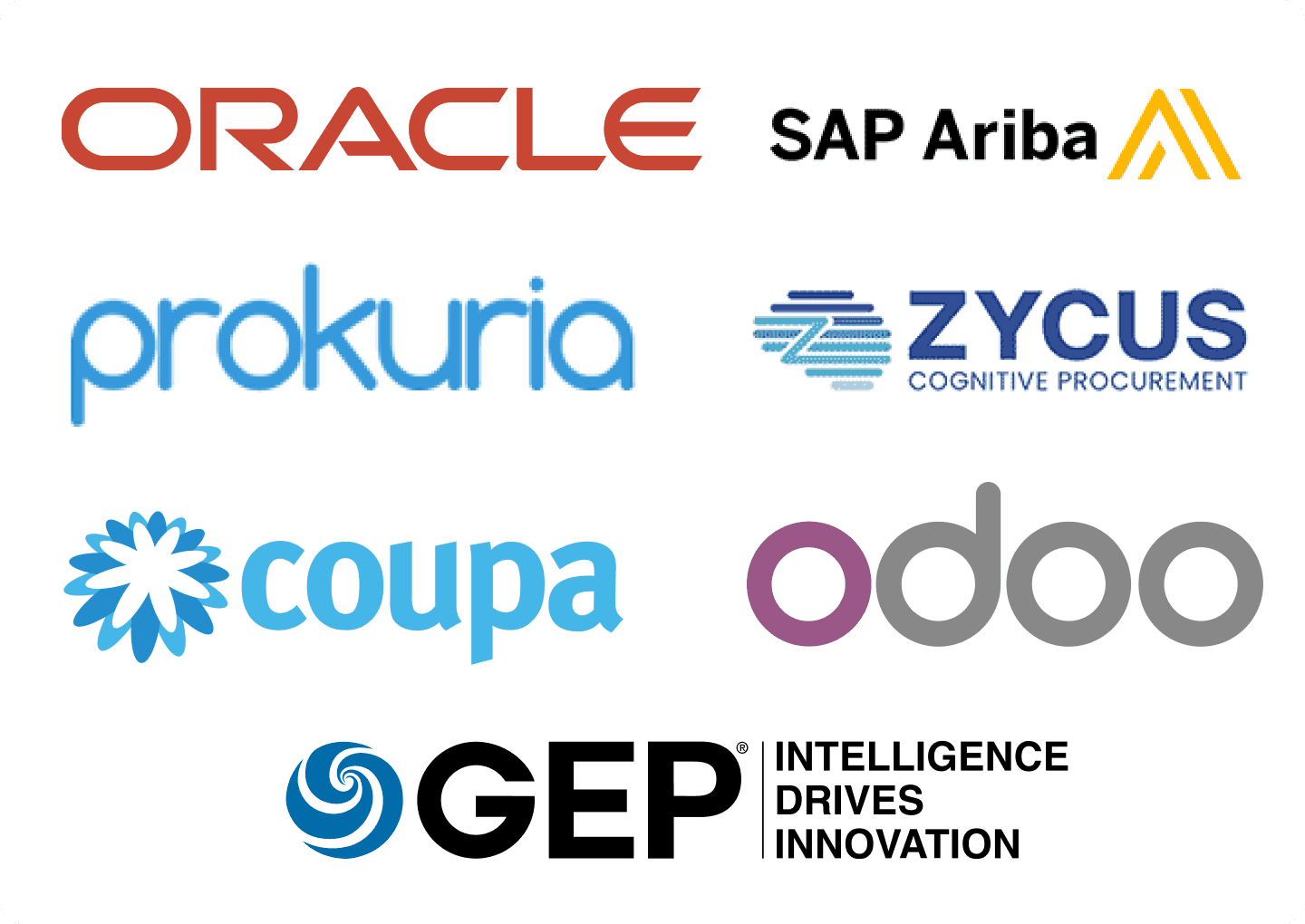
We thoroughly examined 7 key eProcurement solutions in the market, focusing on three critical aspects: supplier collaboration, workflow automation, and procurement analytics. This evaluation helped us identify gaps and inspired us to:
Create a user-centric eProcurement platform that simplifies procurement tasks
Build features that simplify interactions between procurement teams and vendors, improving transparency and efficiency.
Implement dynamic procurement dashboards that offer real-time analytics and customizable reporting for better decision-making.
Streamline and automate the procurement cycle, from supplier selection to order fulfillment, minimizing manual interventions.
User interview
We conducted 14 in-depth interviews:
1 interview with a key supplier to understand the challenges from the vendor perspective.
13 interviews with procurement teams from both mid-sized and large companies to identify their pain points and needs.
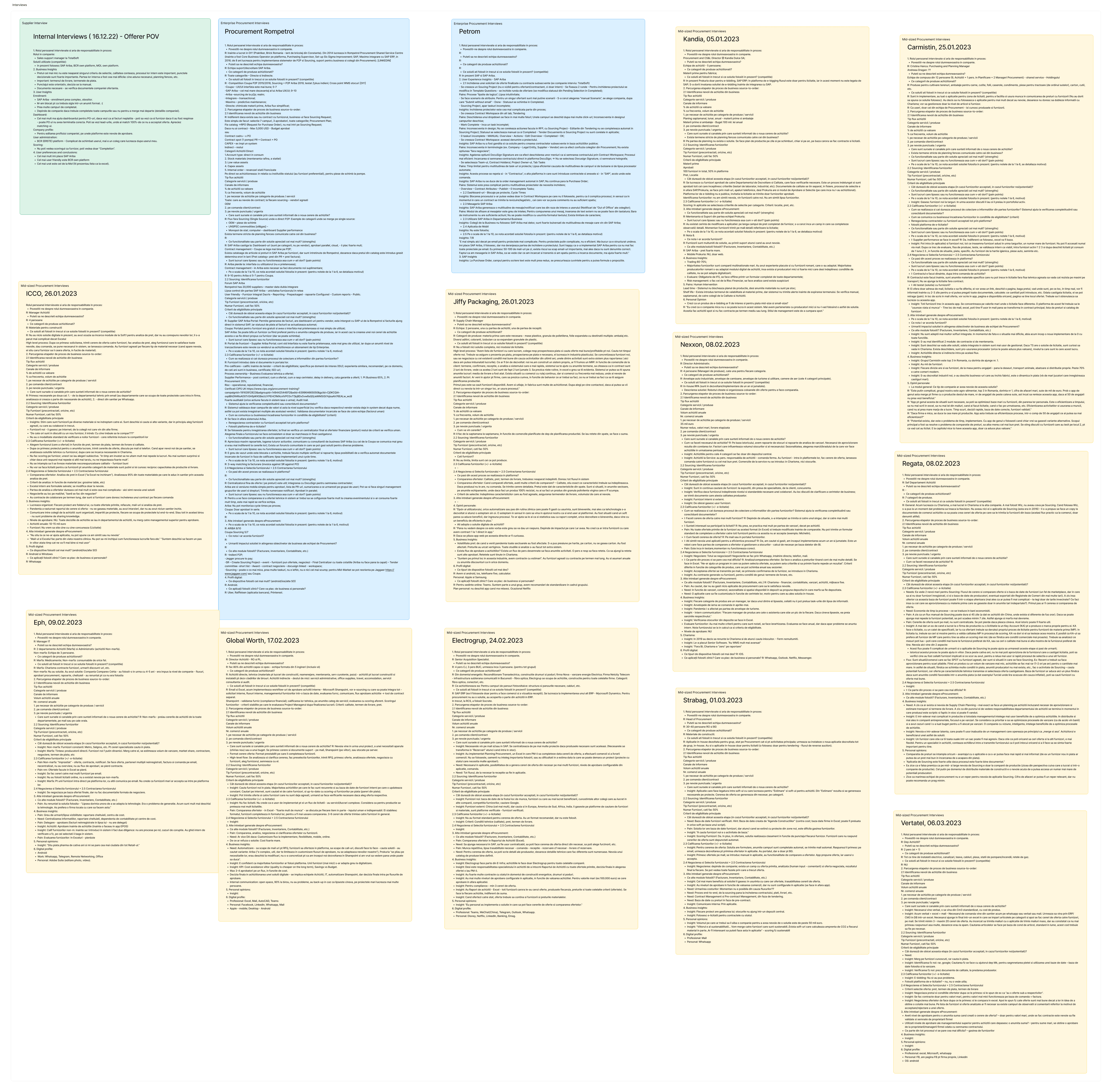
Affinity Mapping
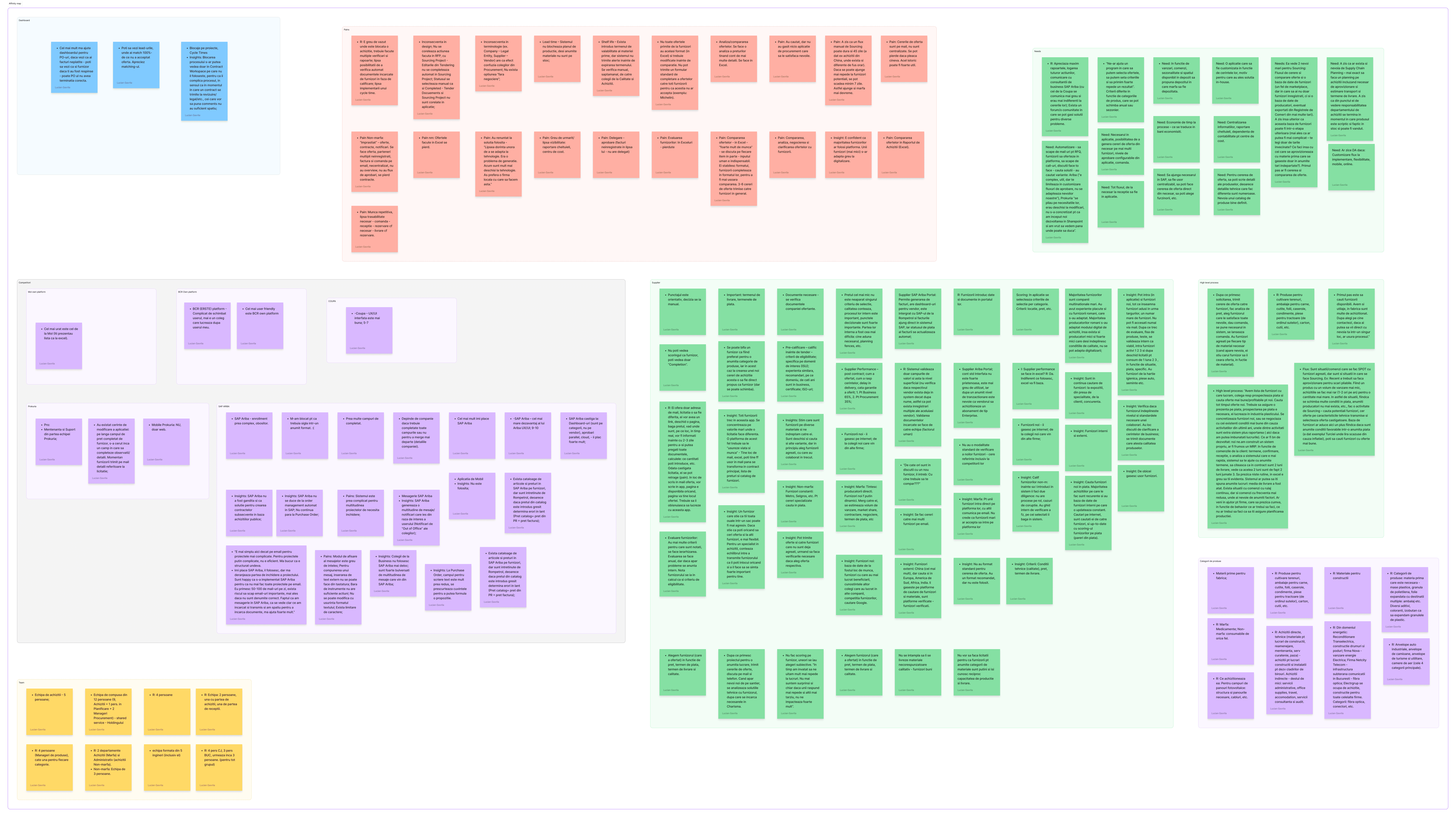
User needs
Common needs identified during user interviews, organized into key categories:
📊 Automation and Centralization of Procurement Processes
Eliminate email-based RFQs and enable suppliers to submit bids directly within the platform.
Automate processes to reduce face-to-face discussions and enhance efficiency.
Centralize the entire workflow, from requisition to receipt, within the application.
📱 Customization for Specific Requirements
Need for a custom-built application tailored to meet specific procurement needs.
In-house solution development to address particular challenges in the procurement process.
💰 Time and Cost Savings
Prioritize time-saving measures in processes to ultimately reduce costs.
Streamline procurement activities to save time and resources.
📦 Supply Chain Planning
Implement procurement planning, including supply needs and transportation estimation.
Procurement’s responsibility ends when the product is stocked and ready for sale.
📝 Centralization of Information and Expense Reporting
Centralize information and expense reporting to better manage cost centers.
📦 Procurement Process and Supplier Evaluation
Use a system for scoring suppliers based on criteria such as location and price.
Annual supplier evaluations and post-contract performance monitoring.
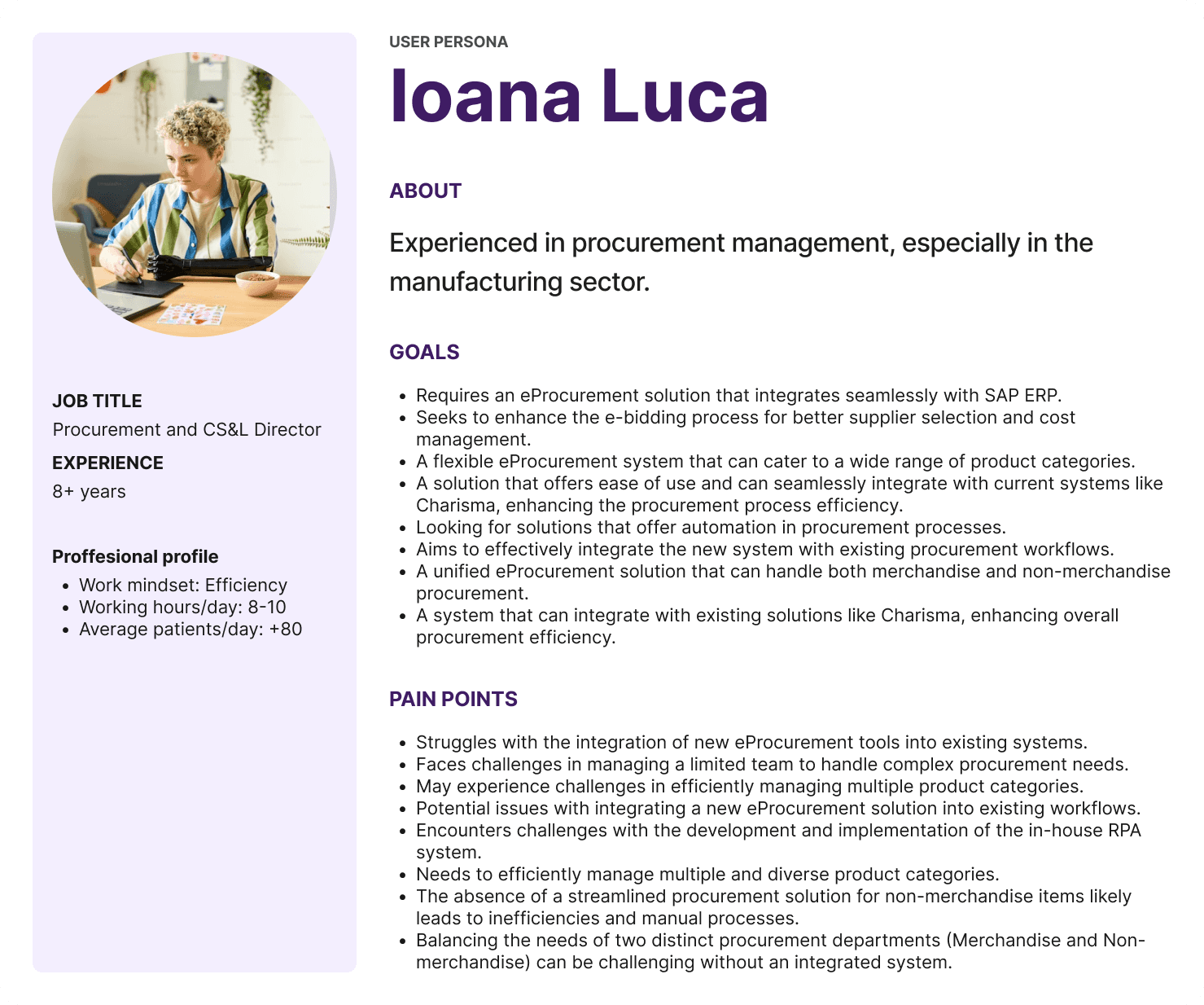
User persona
Key features
Automation of procurement workflows and improved communication between suppliers and users.
Dashboards for procurement data visualization and supplier behavior analysis, fully integrated with the ERP for a comprehensive view of processes.
A system that facilitates rapid selection and comparison of offers.
Technical details are essential and must be included in all quotations.
Our approach to testing
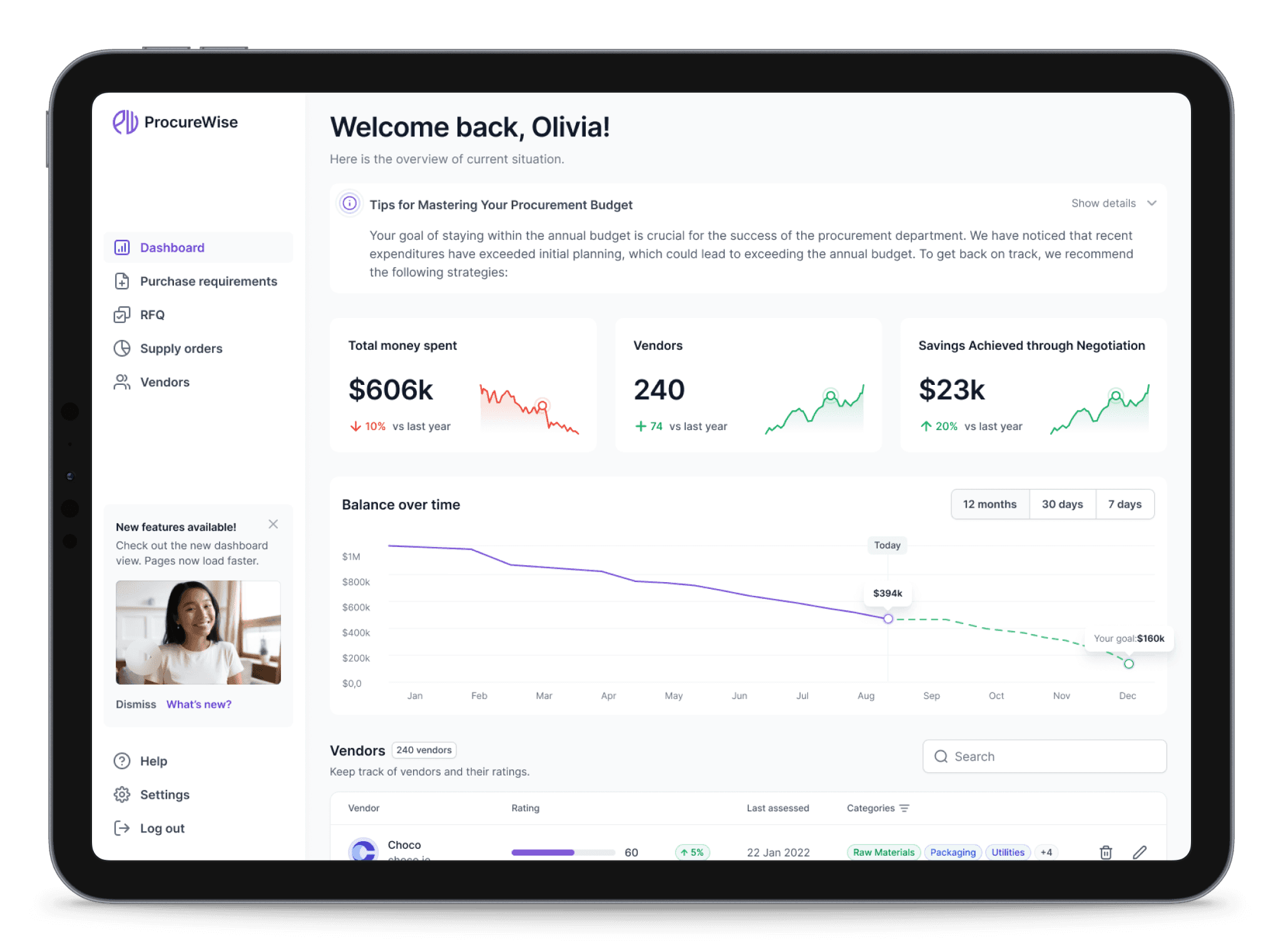
We conducted 8-9 interviews with procurement professionals from mid-sized and large companies. These users had the opportunity to test the platform’s functionalities and provide real-time feedback based on their procurement tasks and challenges.
The testing focused on the following aspects:
Ease of use: We evaluated how intuitive the interface was for procurement professionals and whether they could efficiently manage tasks such as supplier selection, purchase order generation.
Workflow feedback: Users were invited to share any challenges they encountered and suggest improvements to optimize their procurement workflow.
After each round of 2-3 interviews, we iterated on a new prototype, adjusting the platform based on detailed feedback. By the end, we developed three final prototypes.
This iterative approach allowed us to continuously refine the platform to ensure it better meets the needs and expectations of procurement professionals across various industries.
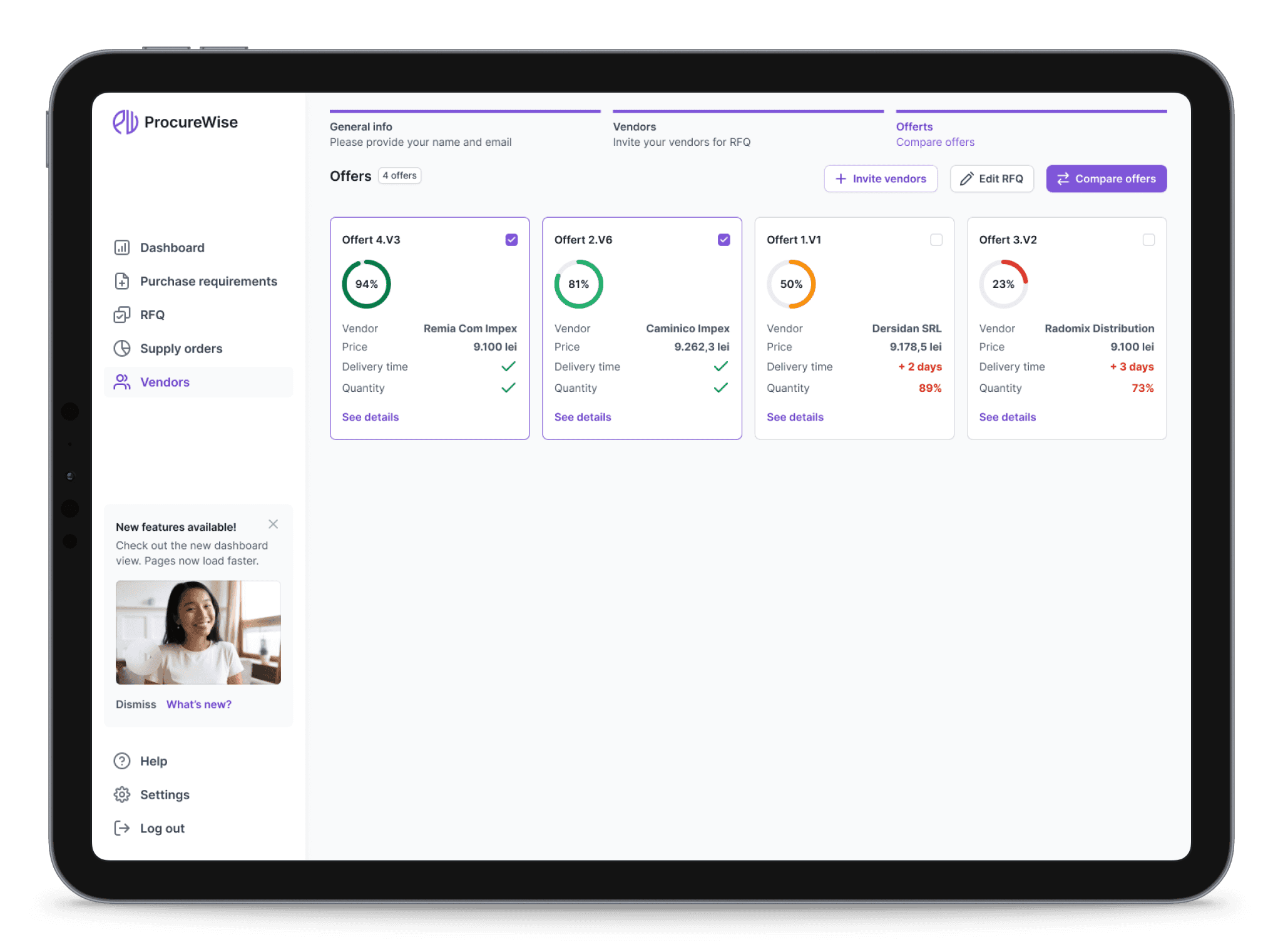
Results
Investment Decision: The feasibility study demonstrated the synergies and added value of the eProcurement platform concerning the existing ERP. The CEO and executive team gave the green light to proceed with product development.
Impact: The eProcurement platform was validated as a viable solution that complements the ERP, offering cost reductions and optimization of procurement processes.
Feedback: The executive team appreciated the proposed solution for its added value and seamless integration with the existing ERP, seeing the platform as a solid investment for the future.